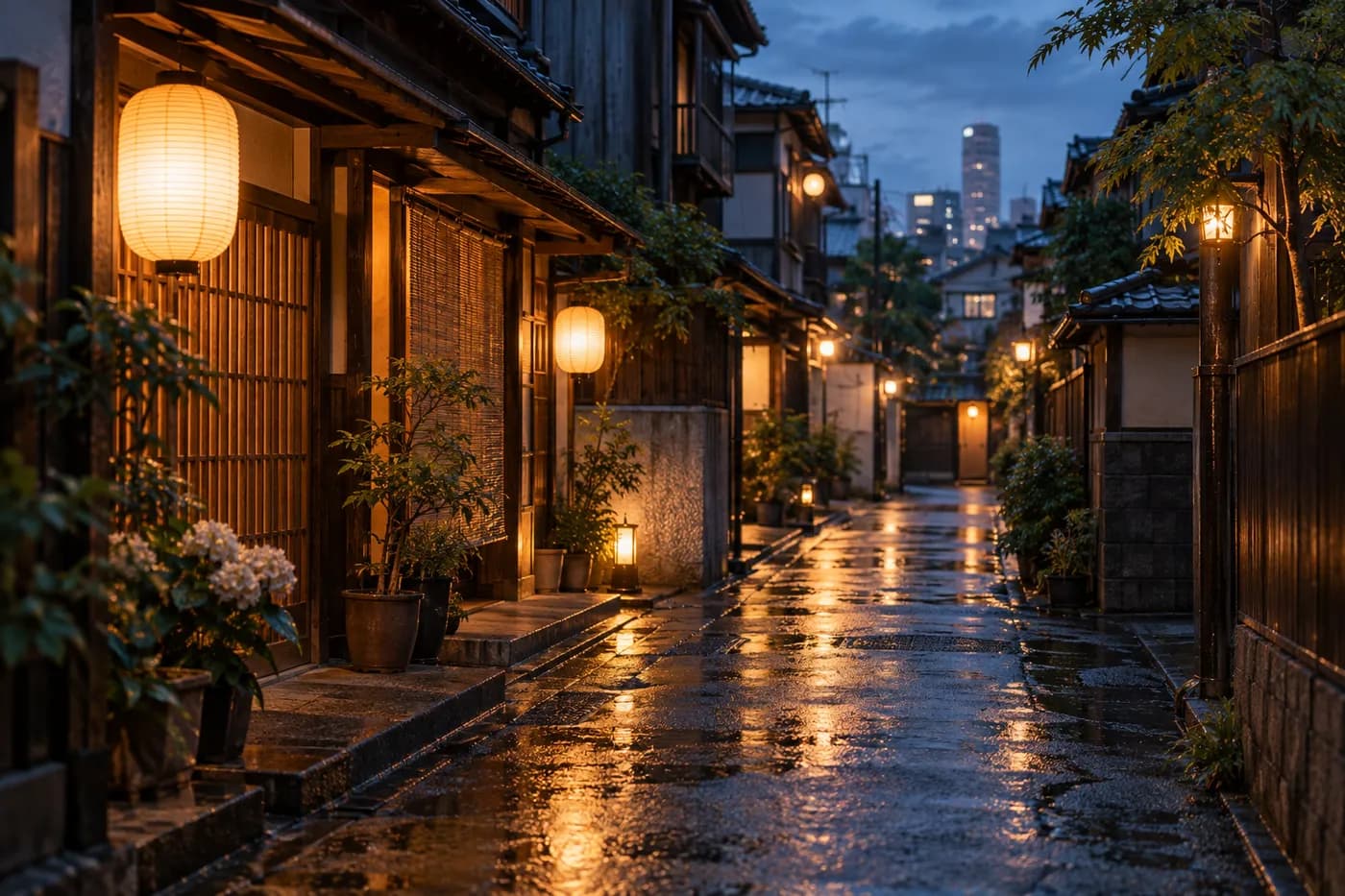
Planning Your Tokyo Trip with AI
How one traveler used Hold My Pin to build a complete Tokyo itinerary from Instagram recommendations โ ramen shops, hidden temples, and more.
Sarah Martinez had never been to Tokyo. But after six months of watching Instagram Reels โ street food stalls in Shibuya, hidden shrines in Asakusa, jazz bars in Shinjuku โ she had 80+ places saved in her bookmarks. The problem? They were just a list of videos, not a trip plan.
"I'd scroll through my saved Reels and think, 'Okay, I want to go here... and here... but where even is that?' It was overwhelming," Sarah told me over Zoom, fresh off her two-week trip to Japan.
So she tried something different. She shared every Instagram Reel to Hold My Pin, let AI extract the locations, and ended up with a complete map of Tokyo before she even booked her flight.
From Videos to a Visual Map
Sarah's process was simple: any time she saw a Tokyo Reel she liked, she'd tap share and send it to Hold My Pin. Within 10 seconds, the AI would:
- Read the caption and identify the place name
- Check geotags and hashtags for location clues
- Cross-reference visual landmarks (like the Senso-ji Temple gate or the Shibuya crossing)
- Add the place to her map with the correct address and category
After two weeks of casual saving, she had 83 pins spread across Tokyo: ramen shops, izakayas, vintage clothing stores, temples, parks, and one very specific vending machine known for its rare Kit-Kat flavors.
Building the Itinerary
With everything on a map, Sarah could see clusters. Most of her saved restaurants were in Shibuya and Shinjuku. The temples were concentrated in Asakusa. The quirky cafes were scattered across Harajuku and Shimokitazawa.
She created collections (Hold My Pin's version of custom lists) for each day of her trip:
- Day 1 โ Shibuya & Harajuku: The crossing, vintage shops, a cat cafe she'd seen on Instagram, and dinner at a yakitori spot.
- Day 2 โ Asakusa & Ueno: Senso-ji Temple, a traditional tea house, and Ameyoko market for street food.
- Day 3 โ Shinjuku & Kabukicho: Robot Restaurant, Golden Gai bars, and late-night ramen at Ichiran.
- Day 4 โ Nakano & Koenji: Nakano Broadway for anime merch, a hidden jazz cafe, and izakaya hopping.
"Instead of planning by attraction, I planned by neighborhood. I'd look at my map and think, 'Okay, I'm in Shibuya โ what have I saved nearby?' It made everything feel spontaneous but still organized."
What Actually Worked
Sarah visited 41 of her 83 saved places. That's a 49% hit rate โ way higher than most people who screenshot places and never look at them again.
Her favorites:
- Tsuta Ramen (Sugamo): A Michelin-starred ramen shop she found via a 15-second Reel. "The truffle oil shoyu ramen was unreal."
- Shimokitazawa Jazz Kissa: A retro listening bar she almost missed because it wasn't tagged in the video. The AI picked it up from the caption: "tiny jazz spot near Shimokita station."
- Omoide Yokocho (Memory Lane): A narrow alley of yakitori stalls in Shinjuku. "I had it saved from three different Reels. When I got there, I understood why."
- teamLab Borderless: The digital art museum everyone raves about. She booked tickets in advance after seeing it on her map and realizing it was in Odaiba, which she was already planning to visit.
The Places That Didn't Live Up
Not everything was a hit. Sarah skipped a few overhyped spots:
- Kawaii Monster Cafe: "Too touristy. Looked better on Instagram."
- A maid cafe in Akihabara: "I respect the hustle, but it wasn't for me."
But that's the beauty of having a map with 80+ options. You don't need to visit everything. You cherry-pick based on your mood, energy, and proximity.
Lessons Learned
1. Save More Than You Think You'll Visit
Sarah's 49% hit rate was only possible because she saved 83 places. If she'd only saved 15, she'd have felt locked into a rigid itinerary.
2. Group by Neighborhood, Not by Day
"I didn't plan 'Monday = Shibuya, Tuesday = Asakusa.' I just made sure I had options in each area. Some days I'd hit two neighborhoods. Other days I'd stay in one and go deep."
3. Trust the AI (Mostly)
Out of 83 extracted places, only 2 were slightly off. One was a ramen shop that had moved locations since the Reel was posted. The other was a generic "Shibuya Station" tag when the creator meant a specific exit. Both were easy to fix.
4. Offline Maps Are Essential
Sarah upgraded to Hold My Pin Pro before her trip specifically for offline maps. "Tokyo's subway stations don't always have great Wi-Fi. Being able to pull up my map underground was clutch."
The Bigger Picture
Sarah's story isn't unique. Thousands of travelers are using AI to turn social media into trip plans. Instagram and Threads have replaced guidebooks as the primary source of travel inspiration. The question is: how do you organize that inspiration?
For Sarah, the answer was simple: stop collecting videos, start collecting places. Turn your feed into a map. Then trust the map when you land.
"I've already started saving places for Seoul," she laughed. "Next trip is in six months, and I already have 40 pins."
Read next
Google Maps Saves vs Hold My Pin: Which Is Better for Place Discovery?
Both save places to a map. But one requires manual search for every place, while the other uses AI to do it in seconds. Here's the full comparison.
How to Organize Your Saved Restaurants from Social Media
You have 200 bookmarked food posts across Instagram and Threads. Here's a system to organize them into a map you'll actually use.
How to Save Places from Instagram Reels
Stop screenshotting restaurants and cafes from Reels. Learn how AI can automatically extract and map every place you discover on Instagram.
Ready to save places from social media?
Download Hold My Pin and turn your feed into a personal map.